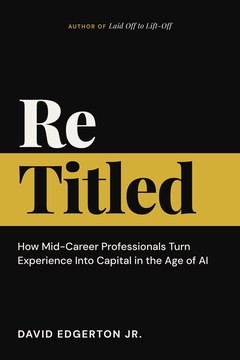
Coming soon
ReTitled
How mid-career professionals turn experience into capital in the age of AI.
Get on the early listCreator of the Transferable Capital framework
I help mid-career professionals name what their experience is worth as AI reshapes work, so they can carry it into the next role or build something of their own.
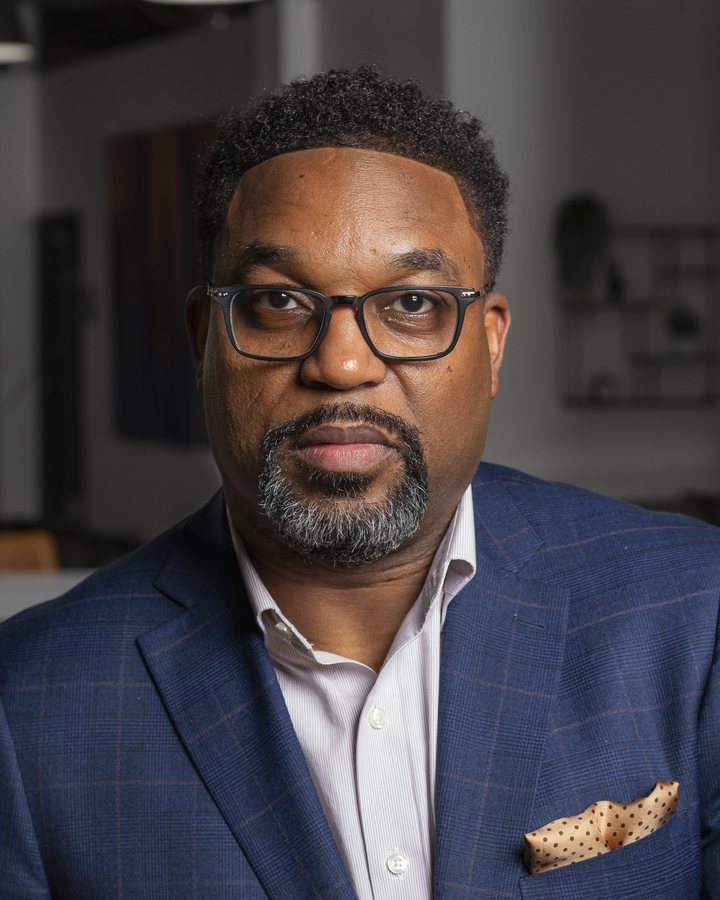
Start free with the newsletter or the audit. When you want a plan built around your own experience, book a session.
One edition a week on the value you own and don't rent: the experience, relationships and judgment you carry from role to role.
SubscribeSee where your six capitals are strong and where they need work: Human, Social, Cultural, Economic, Symbolic and Psychological.
Take the auditA one-on-one session to map your capital and decide your next move, whether that's a new company or your own business.
Book a timeTransferable Capital sessions for executive MBA cohorts and corporate learning teams on staying valuable as AI changes the work.
david@davidedgertonjr.comTwo books on the same question: what you're worth when the title comes off.
Coming soon
How mid-career professionals turn experience into capital in the age of AI.
Get on the early list
Available now
How losing your job can help you launch your purpose.
Get the ebookI trained as an electrical engineer and spent more than 25 years in IT and project management, including years leading IT teams inside manufacturing plants.
Every title I held belonged to someone else's org chart. The work that traveled with me never did. That gap became the Transferable Capital framework, and it's what I write, coach and teach about now.
I play jazz keys, produce from a home studio, and serve as Director of Music at my church. The singles live on the streaming services.